Product and identity
Confirm housing or strap changes, colour, logo process, component substitutions, tooling and the approved appearance sample. Record which party owns any commissioned tooling or design work.

Start with the customer, destination and sales channel, then compare the actual model configurations. Explore feeding, drinking, cleaning, monitoring, grooming and interactive products with the specification questions, sample checks and service responsibilities to resolve before an order.
A similar housing can contain different pumps, sensors, radio modules, batteries and firmware. Build a shortlist around the job your customer needs done, then ask each proposed manufacturer for an identifiable model and revision. Use the same specification and quote scope across suppliers so that differences in price, documentation, packaging and support remain visible.
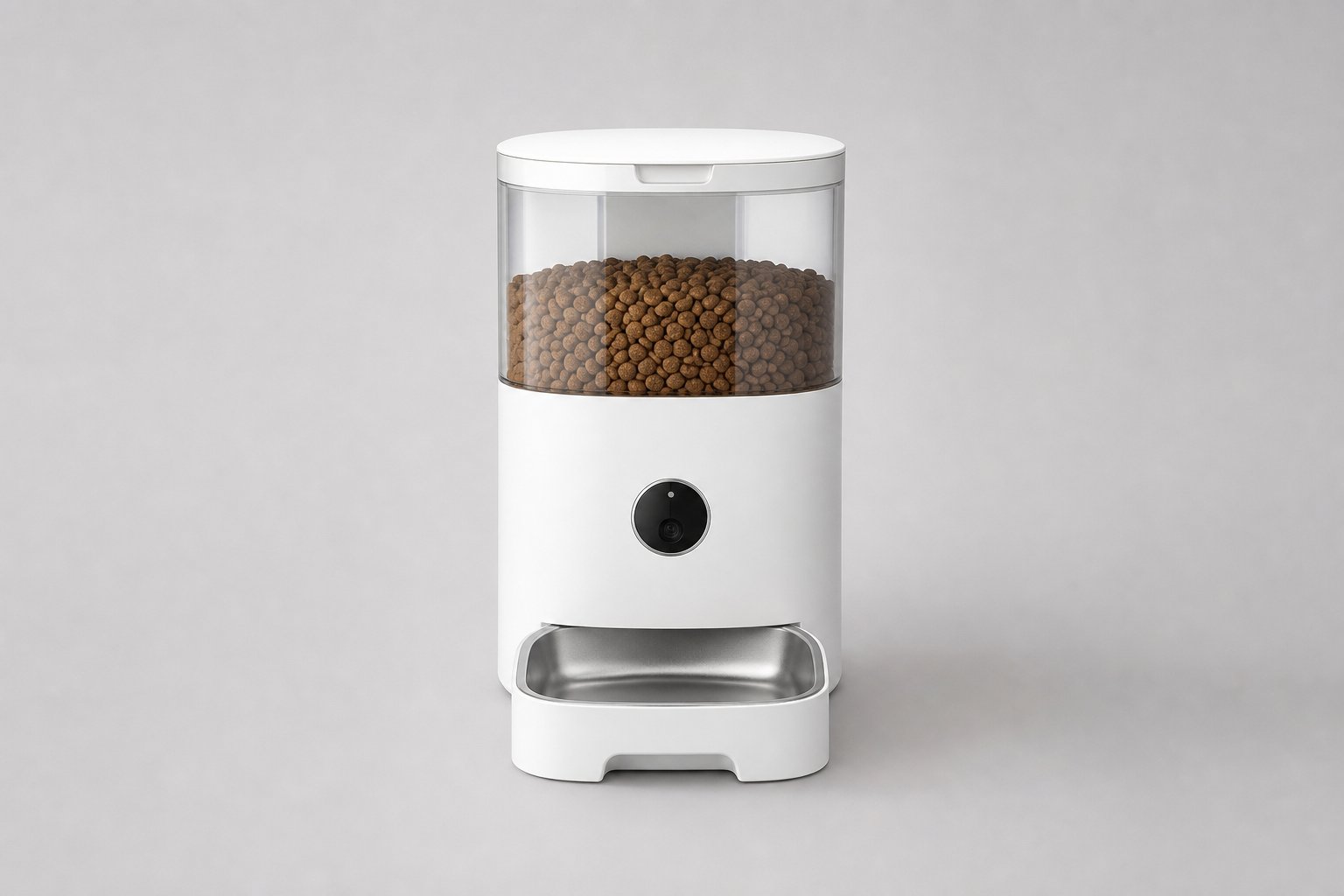
For scheduled feeding ranges, compare the food path and dispensing behaviour before choosing an enclosure or app. The same product may need different food, power and setup assumptions in a retail bundle, marketplace listing or private-label range.
Specify the intended animal, food size and shape, hopper capacity, portion settings, schedule, power arrangement and connectivity. Ask how the proposed model behaves after power loss or a network interruption; confirm which features work without the app.
Use the agreed food and settings to check repeat portions, blockage response, lid access, cleaning and restart behaviour. Request the relevant material identity and intended-contact evidence, along with sample and revision references.
Approve the customer instructions and feeding claims with the sample. Separate backup-power features, app services, packaging and replacement parts in the quotation.
Discuss this category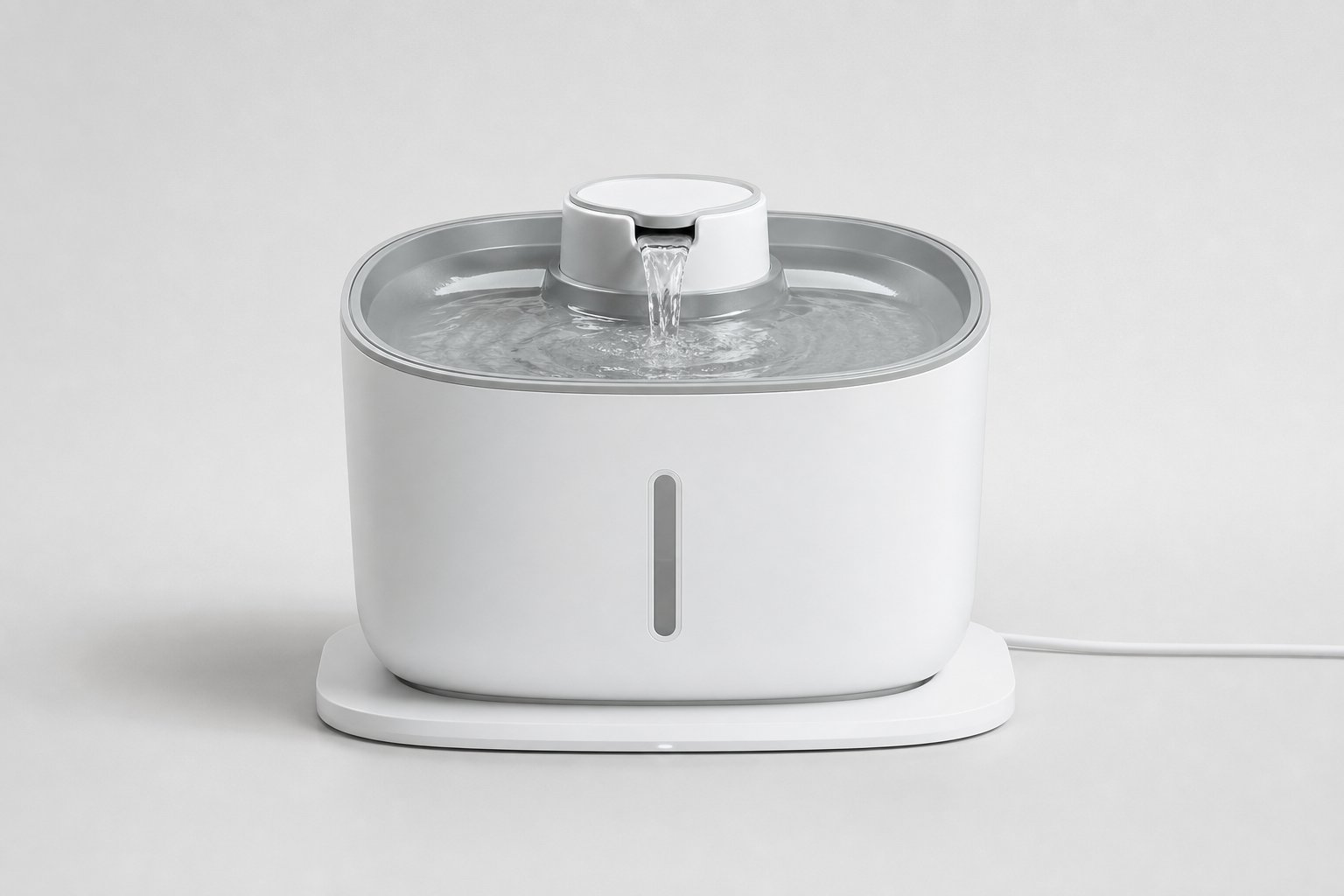
A fountain range includes the water path, pump, filter and cleaning routine. Compare these together so that a low device price does not hide difficult maintenance, incompatible consumables or an unclear support route.
Specify tank capacity, contact materials, pump type, power source, cable or battery arrangement, filter format and intended cleaning method. Ask whether replacement filters or pumps use a model-specific reference and how they will be supplied.
Agree the water and operating conditions for flow, leakage, low-water response and noise checks. Define noise-measurement distance and background conditions. Verify disassembly, cleaning access and replacement-filter fit on the proposed sample.
Approve the device and consumables as a system. Confirm maintenance instructions, service responsibilities and consumable replenishment terms for the sales channel.
Discuss this category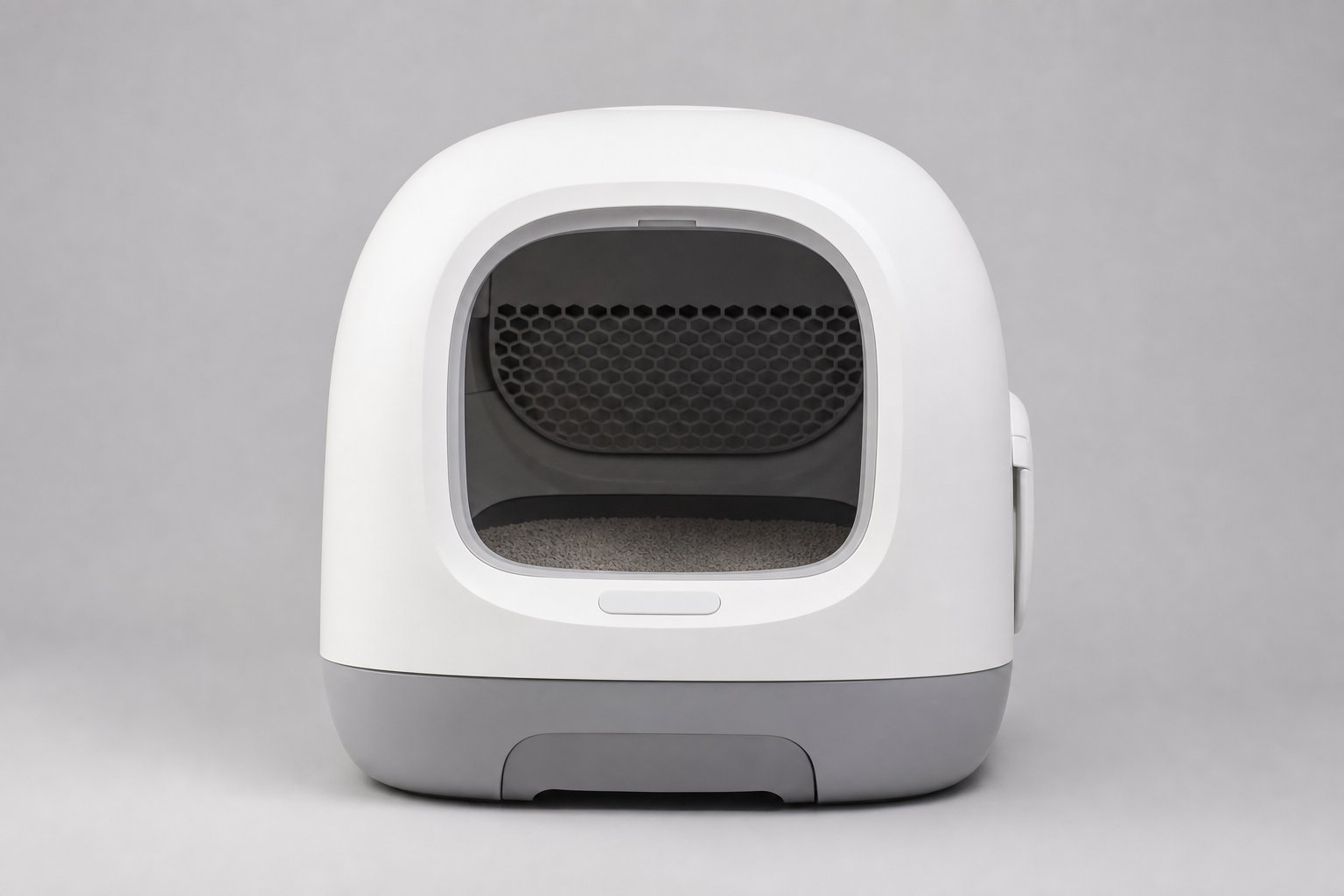
Automatic cleaning adds moving mechanisms, animal access and a more demanding approval decision. Product selection should include a model-specific safety review, intended-animal limits, cleaning requirements and a practical return or service plan.
Describe the intended animal, entry dimensions, usable internal space, litter type, cleaning cycle, waste arrangement, power and connected functions. Request the actual mechanism, sensing configuration, instructions and model-specific safety evidence.
Have qualified specialists review access, occupancy detection, movement, foreseeable misuse, sensor faults and restart behaviour. Resolve open safety questions before approval. Discuss any necessary intellectual-property review for the actual design and target territory.
Approve the model, instructions, unresolved-issue closure and after-sales route together. Include carton dimensions, spare parts and handling of bulky returns in the purchasing scope.
Discuss this category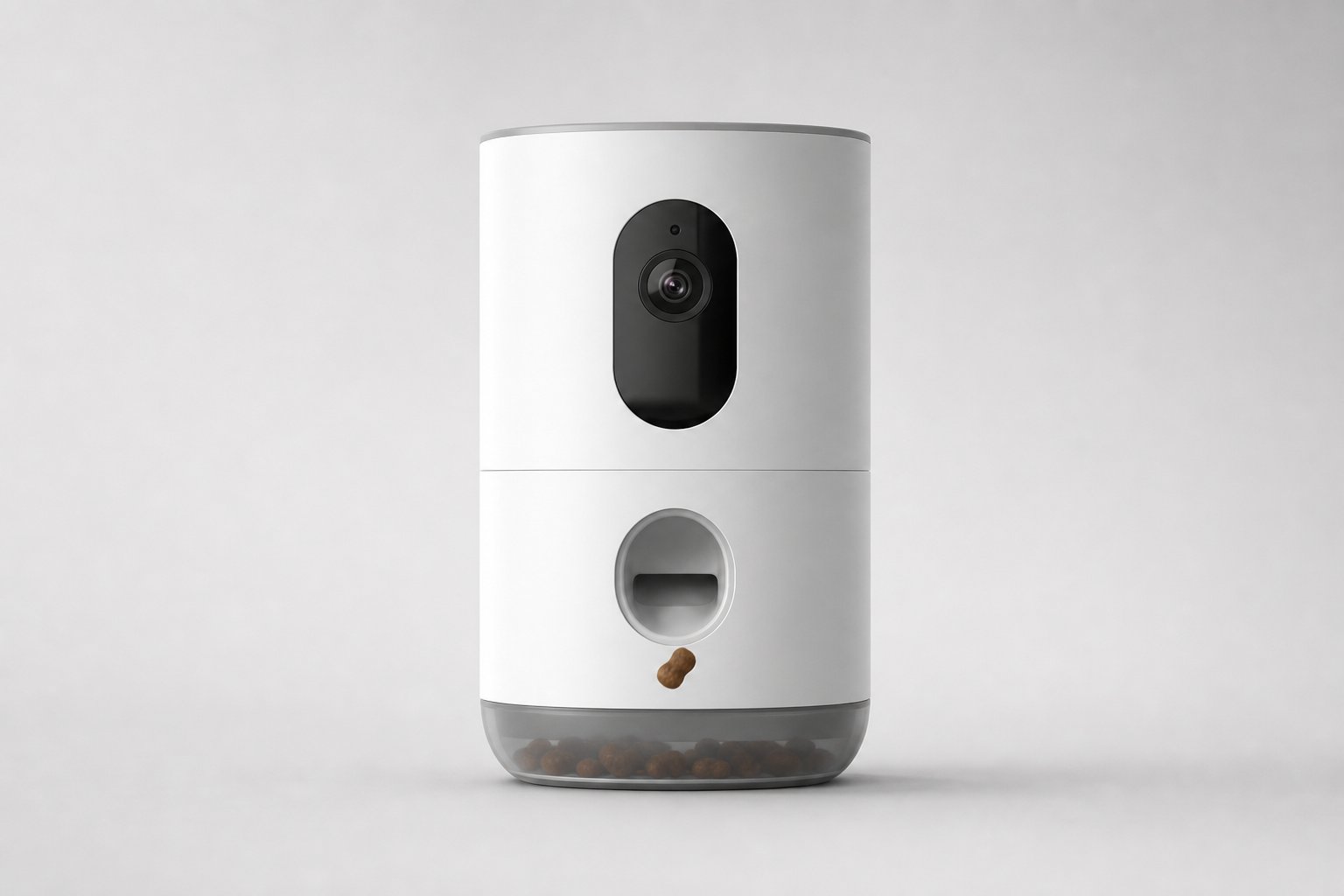
For connected monitoring products, the purchase extends beyond the physical camera. Compare image functions, account setup, app services, update responsibilities and any treat mechanism against the experience your customers will actually receive.
Specify image and audio requirements, viewing movement, connectivity, treat size if applicable, power, app platform and intended service regions. Identify subscriptions, cloud dependencies and any additional service charges separately.
Check pairing, supported networks, account access, permissions and offline behaviour on the proposed hardware and firmware. Where relevant, test treat dispensing with the agreed treats. Match listing functions to the sample and supporting records.
Agree who controls branding, accounts, updates, user support and data-related responsibilities. Confirm service terms and the effect of changes or discontinued cloud functions.
Discuss this category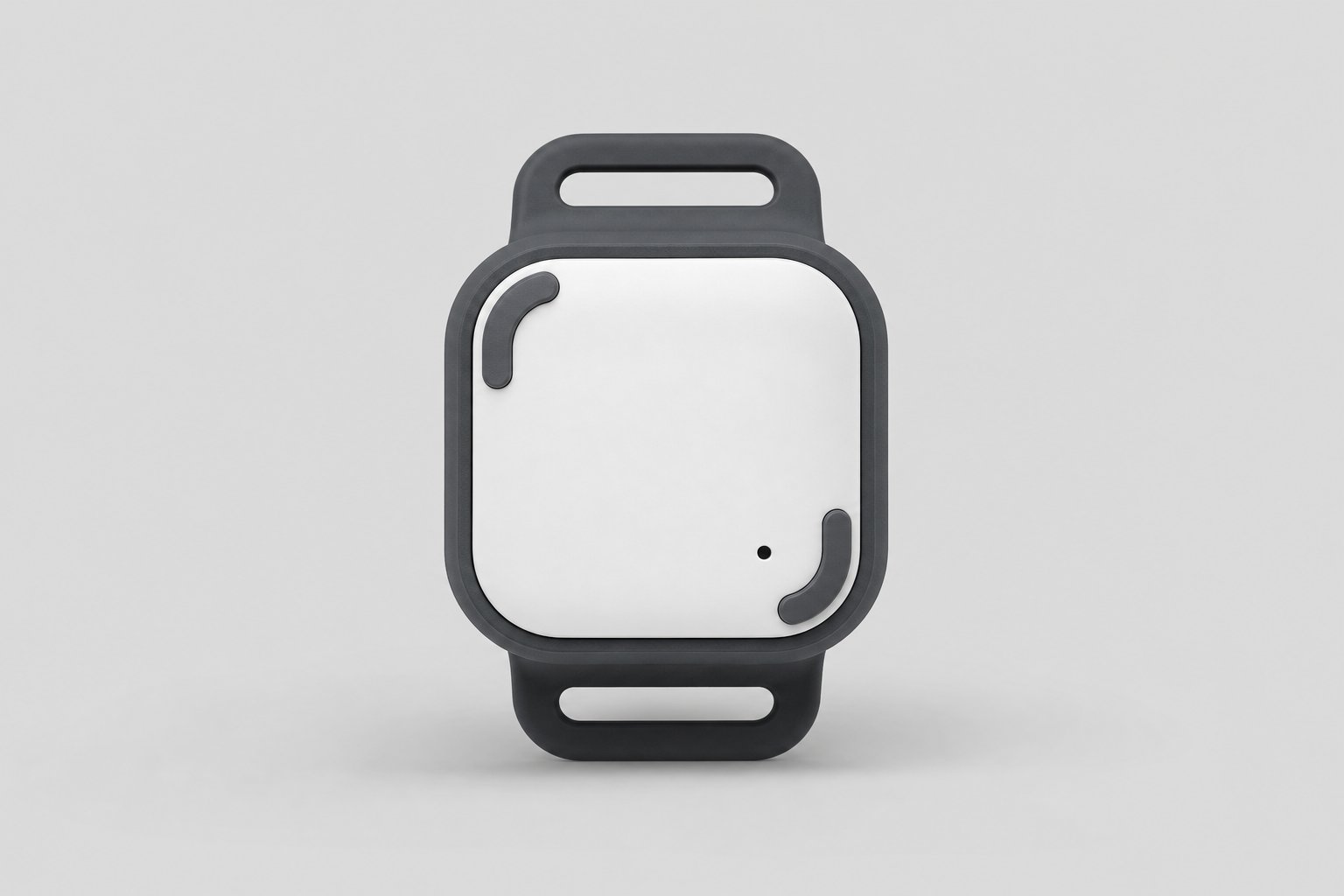
Location products need a clear definition of connectivity, service coverage and operating conditions. A battery-life figure or network label is not a complete basis for choosing a tracker for a new country or customer group.
Specify supported networks and destination coverage, positioning functions, subscriptions, charging, attachment, size and operating environment. Ask for the duty cycle and settings behind any autonomy or location-performance claim.
Verify the proposed configuration and the evidence behind location, battery and water-resistance claims. Check the account setup and subscription scope. Review applicable device documentation and the actual battery shipment with the relevant parties.
Compare hardware, activation, recurring service, accessories and support costs separately. Confirm ongoing service availability and responsibilities before committing to repeat orders.
Discuss this category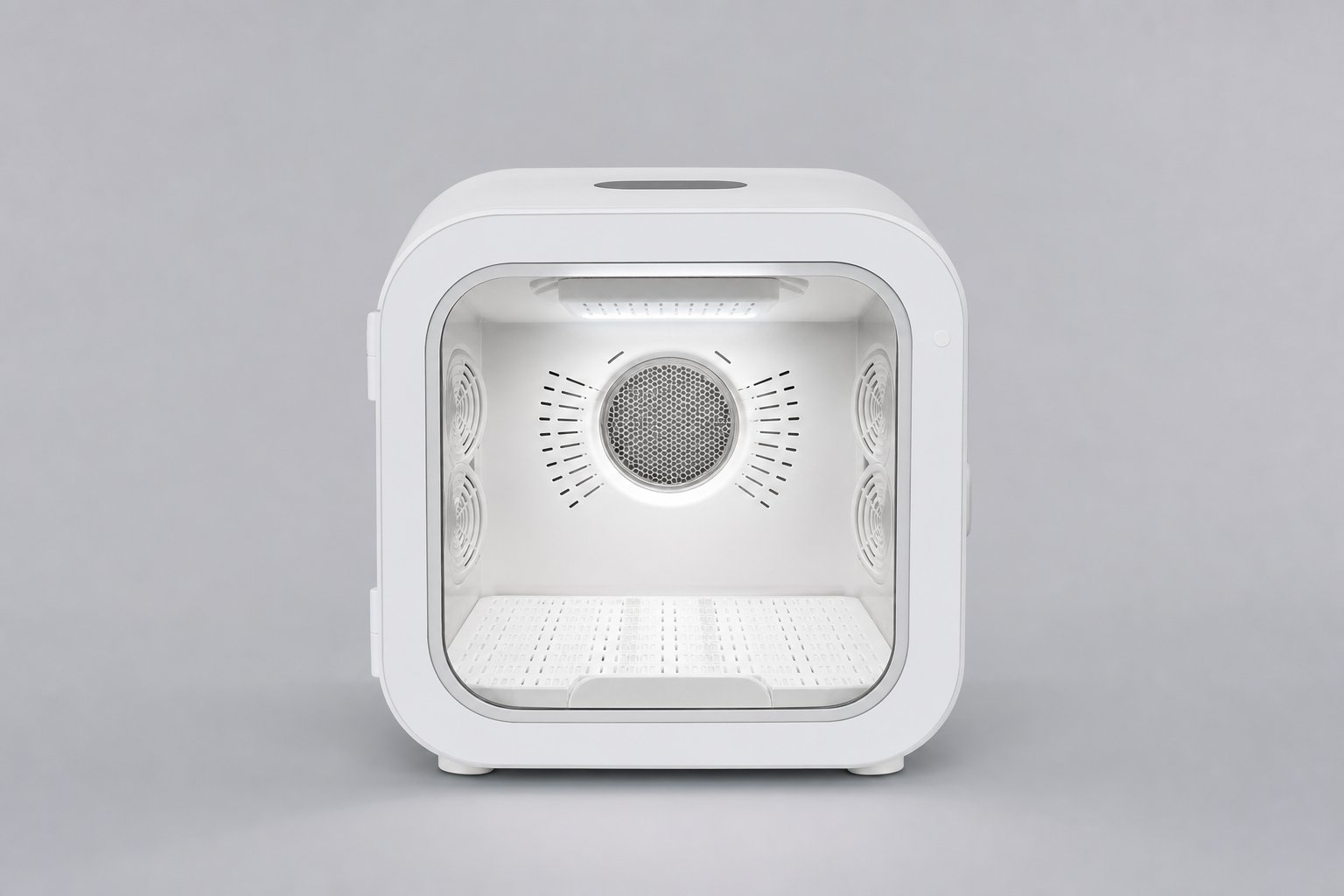
Grooming devices should be assessed for the intended animal, location and supervised use. Compare usable space, access, airflow, control behaviour and cleaning alongside the technical and service evidence required for the actual model.
Specify usable chamber dimensions, intended animal, power supply, control settings, airflow arrangement, access and cleaning requirements. Ask how operating limits and protective functions are defined and evidenced for the proposed model.
Arrange a qualified review of the device, instructions and relevant hazards. Agree appropriate methods and limits for temperature, airflow, electrical and abnormal-operation checks. Confirm the configuration and evidence rather than assuming a universal safe temperature.
Plan delivery access, carton data, commissioning, user instruction and spare parts. For grooming or project buyers, agree the site acceptance record and service handover before rollout.
Discuss this category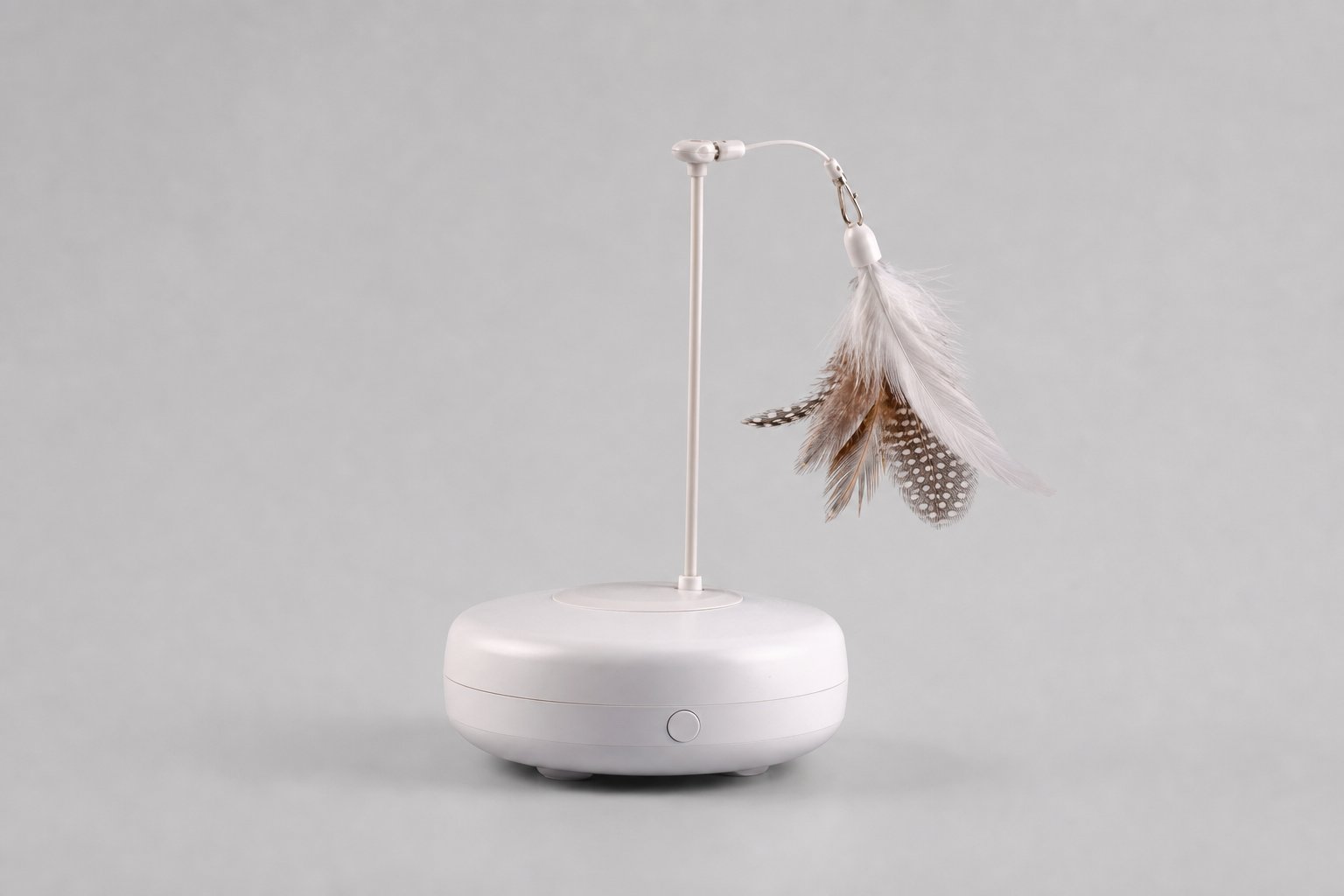
Interactive toys can add variety to a range, but moving parts, replaceable accessories and battery access need attention. Choose the intended animal and use pattern before selecting a shape or promotional claim.
Specify animal and size, movement functions, activation method, power or charging, accessory material and replacement references. Ask what supervision, maintenance and use limits the manufacturer specifies for the actual design.
Review accessible small parts, moving mechanisms, material suitability, battery access and durability. Test the functions against an agreed plan. Identify any design or intellectual-property questions requiring specialist review before approval.
Approve the toy, accessories, instructions and packaging together. Confirm replacement availability, assortment composition and how changed materials or mechanisms are approved.
Discuss this category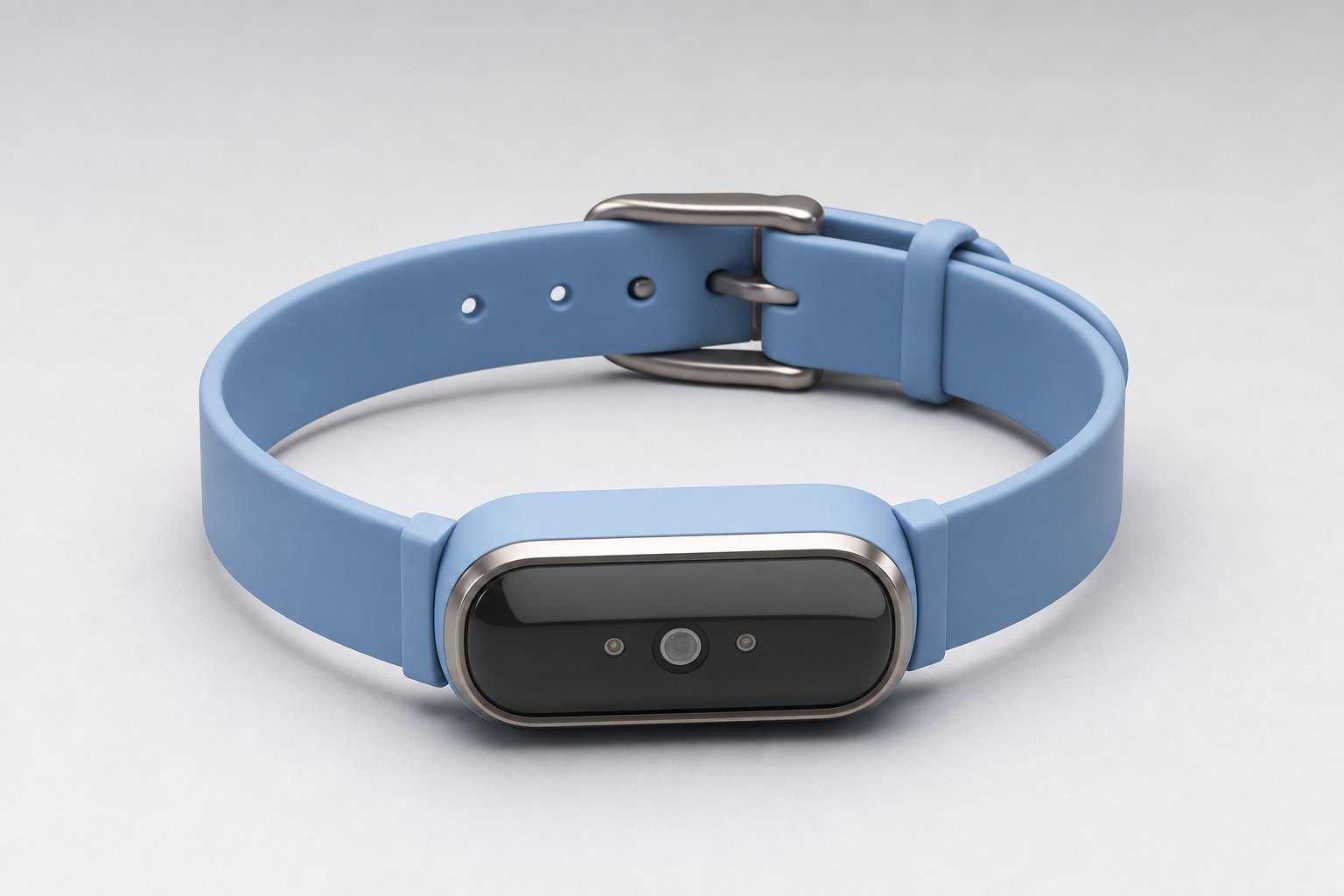
Define the intended function before comparing collar-mounted electronics. Identification, activity recording, signalling and training products can involve different users, animals, support needs and destination restrictions.
Specify the intended animal, fit range, module size, weight, fastening, power and required functions. Describe any training modes precisely and ask the importer or qualified adviser to review destination and sales-channel suitability before selection.
Review the actual strap and contact materials, fastening, device settings, charging and available environmental evidence. Check that instructions and listing claims match the sample. Resolve safety, welfare and applicable market questions before approval.
Select only the approved functions and target-market configuration. Agree instructions, replacement straps or charging parts, support responsibilities and controls on later changes.
Discuss this categoryUse this table to prepare comparable supplier requests. Quantities, prices, configuration, inspection and document work need a model-specific quotation; the category name alone does not set a minimum order or a certification package.
| Category | Buying priority | Inputs to compare | Approval evidence |
|---|---|---|---|
| Automatic feeders | Repeatable feeding and clear setup | Food, portion settings, power and connectivity | Dispensing method, material identity and approved instructions |
| Pet fountains | Maintenance and consumable continuity | Water path, pump, filter and cleaning | Leakage, operating-condition and replacement-fit records |
| Automatic litter boxes | Animal safety and service handling | Mechanism, sensing, access and bulky returns | Model-specific hazard review and closed approval issues |
| Cameras and treat dispensers | Connected customer experience | Hardware, app, subscriptions and treat mechanism | Functional checks and agreed service responsibilities |
| Trackers and wearables | Destination service and running cost | Networks, subscriptions, settings and battery | Performance evidence and relevant device/shipping review |
| Pet dryer boxes | Controlled operation and site readiness | Chamber, controls, power, airflow and delivery | Specialist review, agreed tests and acceptance record |
| Interactive toys | Use suitability and accessory support | Mechanisms, materials, power and replaceable parts | Agreed function, durability and safety review |
| Smart collars | Fit, function and destination suitability | Strap, module, modes, power and instructions | Approved configuration and relevant specialist review |
Ask the proposed manufacturer to identify which changes are available on the selected model and which need development. Agree deliverables, ownership, approval steps, costs and timing for each workstream rather than treating all branding as one package.
Confirm housing or strap changes, colour, logo process, component substitutions, tooling and the approved appearance sample. Record which party owns any commissioned tooling or design work.
Define pack structure, artwork, label content, languages and destination review. Agree who supplies and approves translations, manuals and legally required information.
Identify the platform, branding scope, account structure, update arrangements and service dependencies. Agree data-related responsibilities and rights explicitly; do not infer them from a custom splash screen.
Specify order flow, inspection, packing, inventory responsibilities, transport handover, consumables and returned-unit handling. Separate outbound fulfilment from after-sales and reverse-logistics terms.
Start with positioning, required functions and the approved specification. Name the owner of product claims, sample acceptance, document rights and subsequent changes.
Compare the setup, use, maintenance and support journey with the physical product. Include consumables, subscriptions and return handling in the launch plan.
Align the exact model, product images, functions and labels with destination and platform requirements. Plan missing evidence before listing or ordering.
Build a repeat-order range with clear model, part and version references. Agree how dealers learn about changes, consumables and service issues.
Plan quantities and assortments against the same product and packing scope. Compare unit, carton, inspection and transport costs without mixing unlike configurations.
Review the working sample, retail box, instructions and accessory references together. Confirm a customer-facing support and return route for the range.
Translate the end buyer’s brief into a supplier comparison and approval matrix. Keep evidence, findings and decision ownership attached to the actual model.
Define site conditions, commissioning, acceptance records, training and service handover. Approve the proposed configuration and responsibilities before rollout quantities.
Share the shortlisted categories and proposed models, destination, channel, quantity and required delivery point. Add the minimum functions, power, connectivity, materials, app or subscription scope, packing and documentation already available. Mark the decisions you still need to resolve so that additional samples, inspection, testing, development and logistics can be priced separately.
The product images illustrate the categories. Ask for the proposed manufacturer, model, revision, current specifications and actual appearance sample for your enquiry. Approve the configuration and evidence before treating an image as the purchase specification.
Request a quotation for the actual model, branding, packaging, assortment and service scope. Stock availability, development, component and packaging requirements can affect the proposal. This category guide does not establish a fixed minimum or guarantee stock.
Use the same configuration, quantity, delivery basis and included work. Separate product, development, tooling, packaging, inspections, document work, connected services, consumables, transport and after-sales responsibilities. Ask suppliers to state exclusions and quotation validity.
No. Review the actual model, configuration, accessories and destination with the manufacturer, importer and relevant specialist. Link documents and claims to their applicable scope, and agree who closes missing evidence before approval.
Discuss physical branding, firmware, app branding and any platform development separately. Confirm what the manufacturer and service provider can offer, then agree costs, schedule, rights, account control, data responsibilities, updates and ongoing service terms.
Keep the approved sample, specification, hardware and firmware references, relevant evidence and order records linked. Agree change notification and approval rules with the manufacturer; review affected documents and checks before accepting a replacement as equivalent.
Share your category, destination and buying role. We can organise the enquiry around the model specification, samples, supplier evidence, customisation, fulfilment and support responsibilities.