Four themes — sourcing, compliance, logistics and cost — drawn from first-hand manufacturing experience on the belt and public industry data. Every post gives conclusions, rationale and sources, written for OEM/ODM and dropshipping buyers.

One concrete question per post: conclusions first, evidence next, sources attached — written for B2B buyers of smart pet devices.
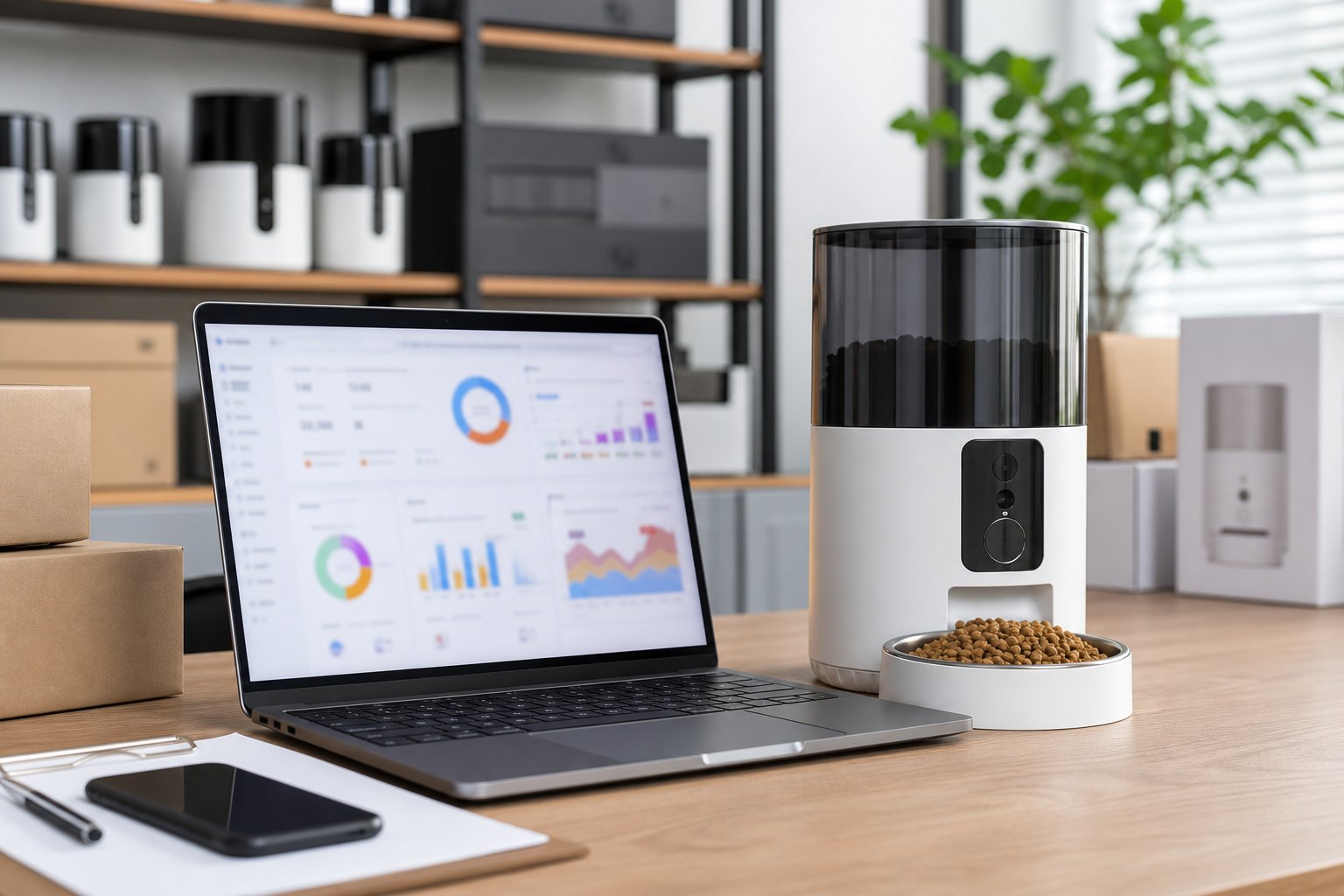
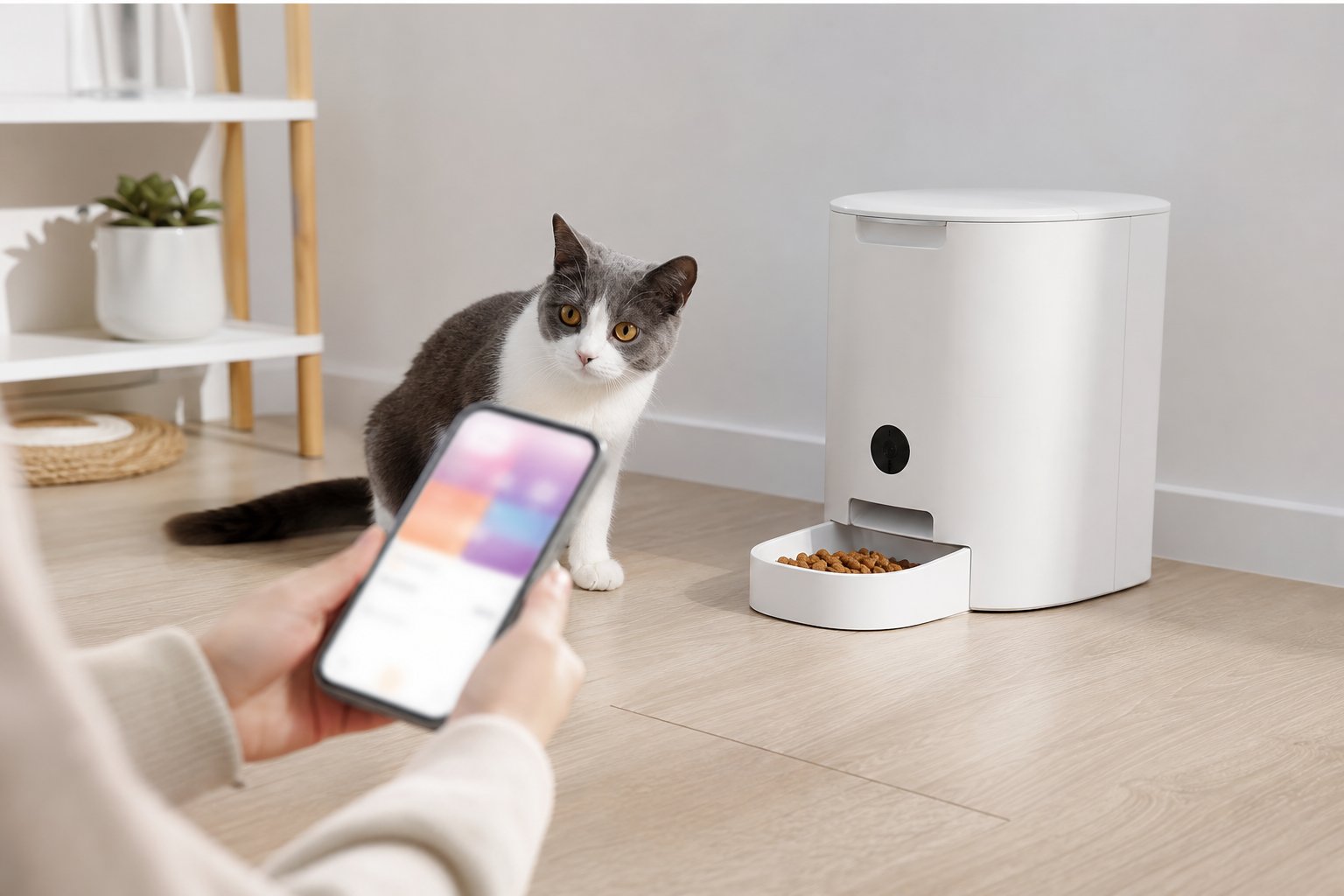
US pet spending has reached US$158B a year, with smart feeders growing at about 12.8% annually: where the mainstream price bands sit, where bad reviews cluster, and where new entrants can still differentiate.
Tuya ships fast but your data lives on the platform; a custom app is controllable but costs multiples more — the real trade-offs across cost, time to market, OTA cadence and data ownership.
No flight without the UN38.3 report, MSDS and transport appraisal trio: the 100Wh limit for built-in batteries, and how to choose between battery-capable dedicated lines and overseas warehouse positioning.
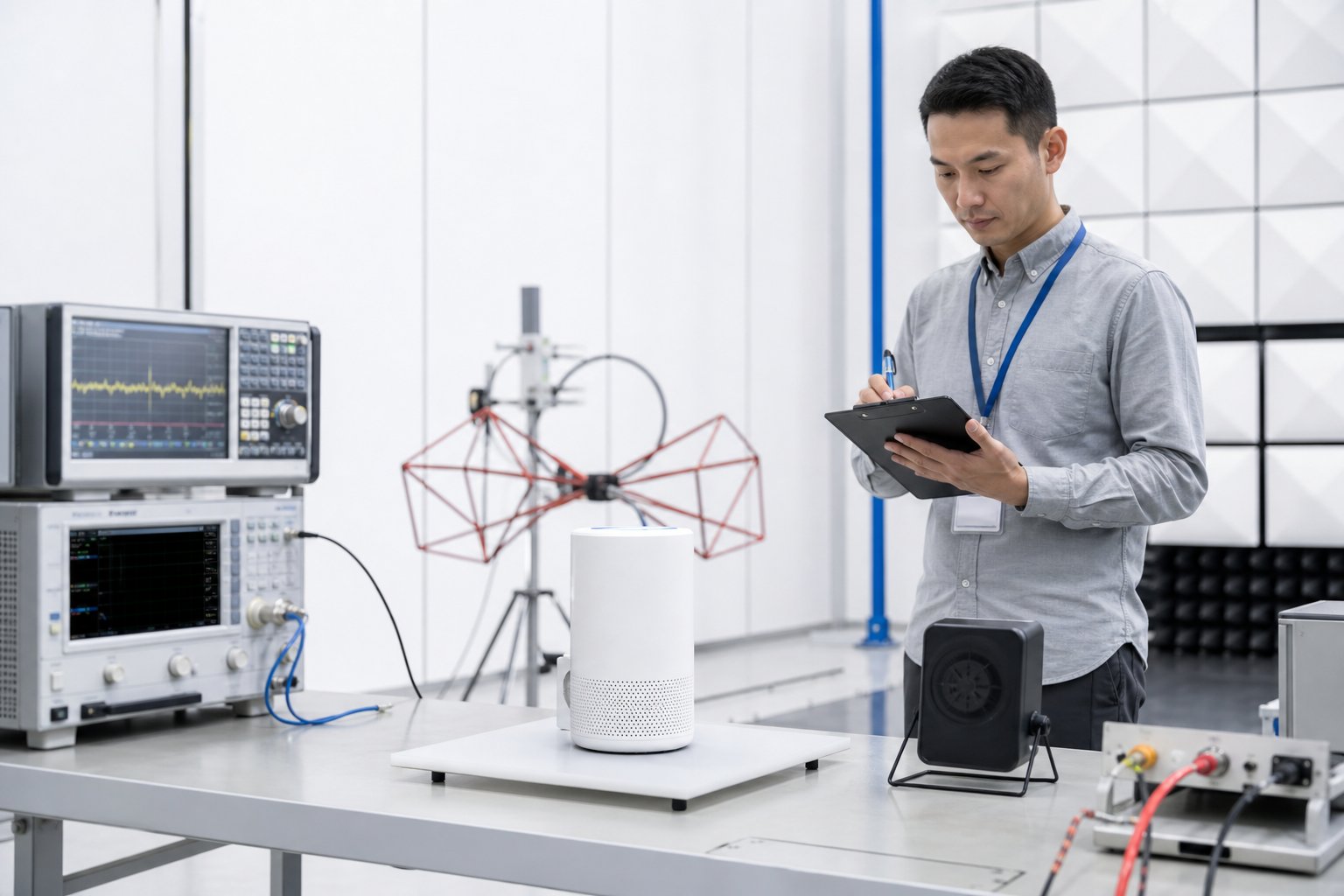
CE-RED for the EU, FCC ID for the US, UKCA for Great Britain, PSE plus TELEC for Japan, KC for Korea — one table of what each market requires, plus the correct wording for food-contact materials under LFGB/FDA.
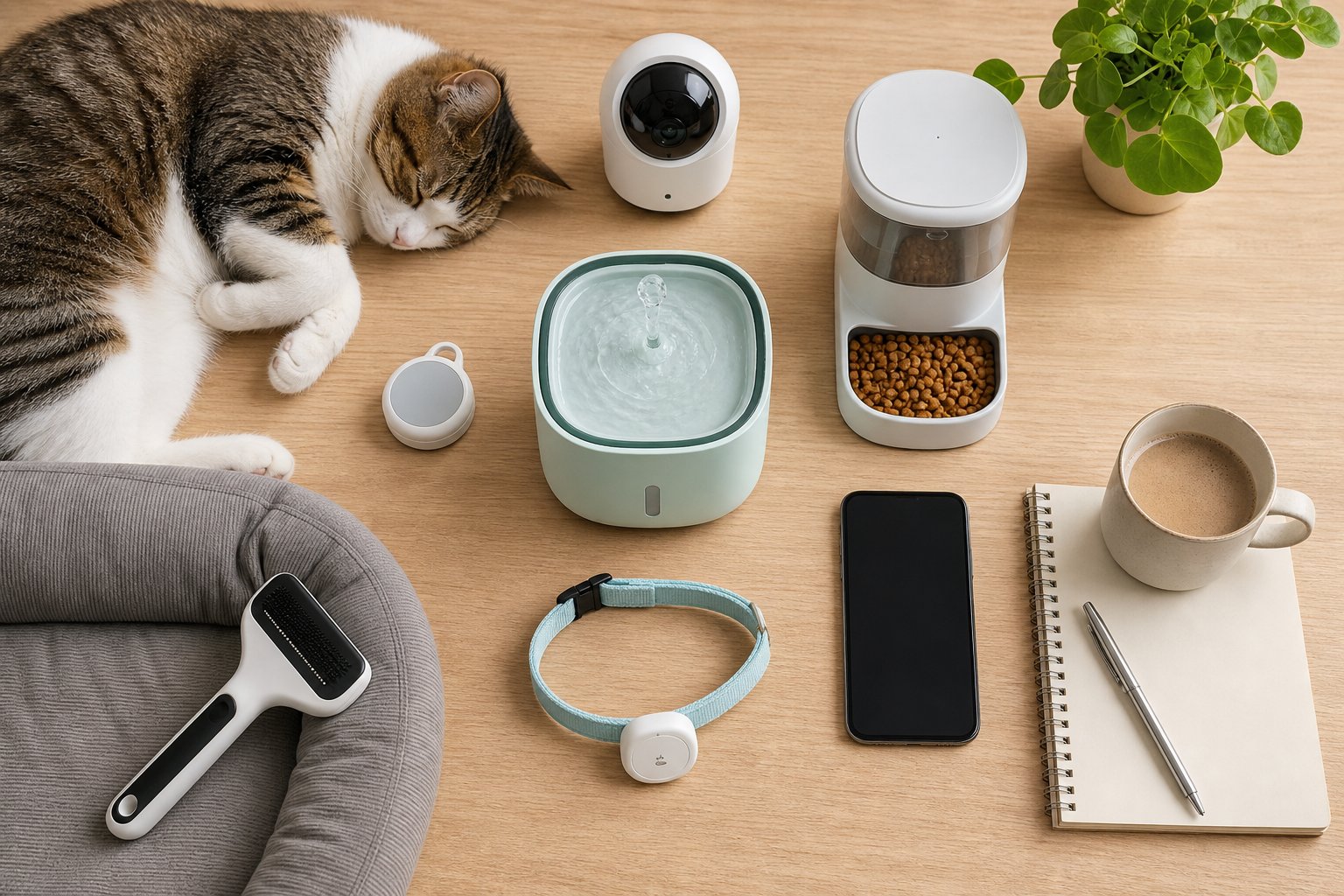
Most failures are not circuitry but the pump: brushless pumps rated for 20,000-30,000 hours, dry-run protection, and what it takes to hold the 35dB noise line.
Three MOQ tiers — 100 units of labelled stock, 500 custom, 1,000 with new tooling — each with its own math: FOB price gaps, spreading 30-60 day tooling costs, and how to pace test orders.
How to stock bulky items such as litter boxes and drying boxes: overseas warehouse positioning, FBA replenishment cadence and inbound lead times, folded into one restocking formula.
New posts land regularly across the four topics. Want to be first to read, or have us cover a topic for your target market? Get in touch.
Contact usShare your category, quantity and target price band — we reply with a proposal within 12 business hours.