Brands
Share the target positioning, product specification, artwork and approval responsibilities.
Request the design and tooling scope, approved bill of materials, revision control and the manufacturer’s change-notification process.

Connect the device, components, app responsibilities and delivery plan to named suppliers and a controlled specification. PAWORIGIN helps structure smart-pet sourcing enquiries around the evidence buyers need before samples, tooling or a production order are approved.
The same finished device can involve a product manufacturer, electronics assembler, moulding subcontractor, app provider and logistics service. Before comparing prices, record which legal entity supplies the finished unit, where critical processes take place and who owns the approved specification. Use the proposed model and revision as the common reference.
Shenzhen, Dongguan, Cixi and Chenghai offer different manufacturing contexts to investigate. The regional examples below guide supplier research; they do not establish PAWORIGIN factory ownership, contracted partners or production capacity. Check the actual manufacturer's location, equipment, subcontracting and model experience. Textile accessories and order consolidation need their own supplier and service checks.

Shenzhen's government describes local development of smart feeding, pet cameras, automated litter boxes and wearables. For a proposed supplier, request the electronics design scope, PCBA manufacturing location, firmware responsibilities and working-sample evidence.

Dongguan's 2026–2030 pet-economy plan identifies smart-pet electronics as a priority within its manufacturing base. For a tooling or moulding proposal, establish who owns and maintains the tool, where parts are moulded, which resin is specified and how engineering changes are approved.
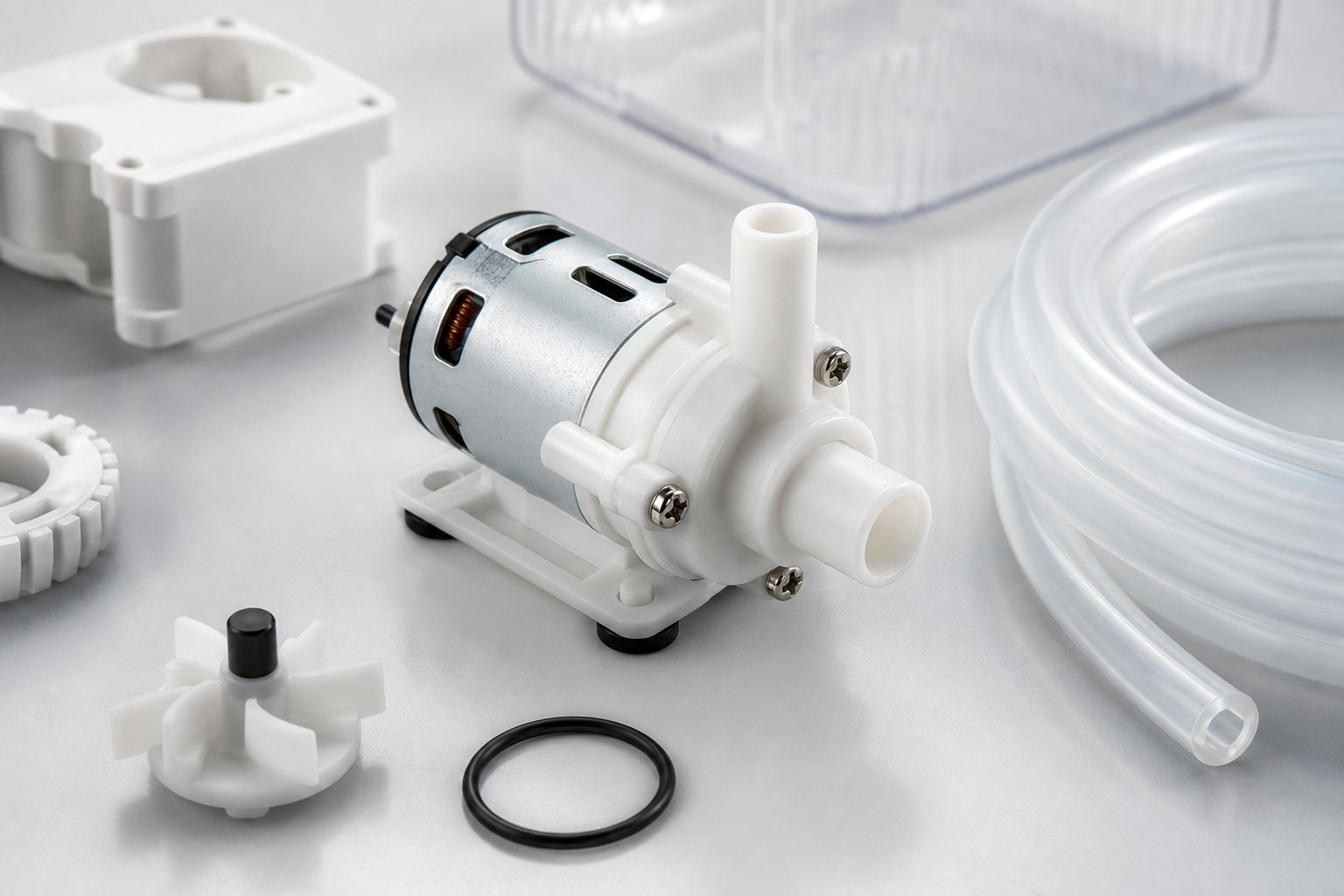
A January 2026 People's Daily report, republished by Fujian's industry authority, describes Cixi's appliance and component base. Investigate relevant pump, motor, power and enclosure suppliers against the required device conditions; a regional appliance base is not evidence that a particular pet product has passed testing.
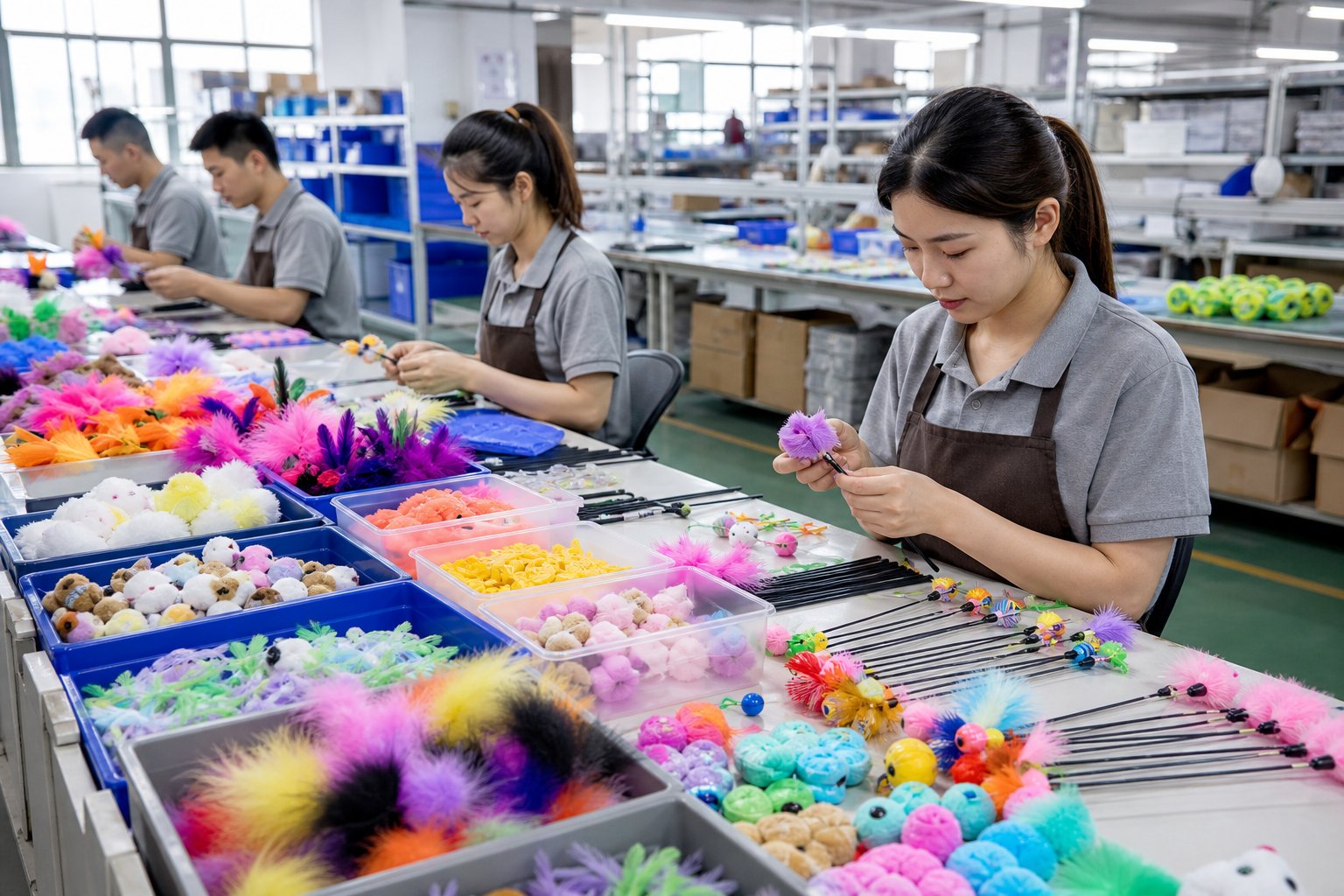
Shantou's industry authority identifies Chenghai as a plastic-toy manufacturing and trading cluster. For interactive pet toys, review the actual materials, accessible parts, moving mechanisms, battery compartment and durability evidence for the intended animal and use conditions.
Regional context: public authority references are linked below. Supplier selection still requires project-specific evidence.
Your channel changes the evidence you need. State how the product will be sold or installed, who supports the end customer and how repeat orders will work.
Share the target positioning, product specification, artwork and approval responsibilities.
Request the design and tooling scope, approved bill of materials, revision control and the manufacturer’s change-notification process.
Define the customer experience across the device, app, packaging and support journey.
Review onboarding samples, manual languages, consumable references, return handling and the cost of replacement parts.
Identify the marketplace, destination, listing configuration and fulfilment method.
Align product images, model identifiers, labels and document holders; confirm battery, carton and marketplace-service requirements for the proposed shipment.
Set the assortment, replenishment plan, territory requirements and after-sales responsibilities.
Review SKU continuity, component-change controls, spare-part ordering and the information needed to support downstream sellers.
Specify SKU mix, carton quantities, consolidation, labelling and the delivery term to quote.
Separate unit pricing, packaging, inspection, spares and freight. Confirm how each lot will be identified and checked before consolidation.
Share shelf or display needs, retail packaging, language requirements and customer-use expectations.
Approve the packaging and working sample together; confirm instructions, accessories, filter or consumable references and the returns route.
Provide the end buyer’s specification, approval authority, documentation checklist and reporting format.
Maintain a traceable supplier and subcontractor record, sample decisions, purchase-order revisions and shipment-document responsibilities.
Describe the installation setting, power and network conditions, cleaning access and acceptance plan.
Review the proposed configuration, site-use sample, consumables, spare stock and support handover before agreeing rollout quantities.
Ask for documents that can be matched to the quoted device. A useful file links the supplier identity, sample, revision, inspection conditions and shipment instead of treating each document as an isolated attachment.
Supplier and manufacturer legal names, site addresses, process locations, subcontracting scope and a dated record of the proposed site.
Model number, intended use, power arrangement, connectivity, app provider, bill-of-materials revision and approved accessories.
Sample identifier, review date, unresolved issues, approved artwork and the specification version released for the next stage.
Applicable requirements, document holder, report model and revision, test method, conditions, sample size, acceptance limits and the party responsible for missing evidence.
Lot references, critical-part substitutions, approval authority, inspection records and the link between the production batch and the retained sample.
Packaging, carton data, delivery term, carrier route, spare-part references, returns decisions and handover responsibilities.
Request dated site photographs and records from the proposed manufacturer. Process images on this page are illustrative.
Agree the actual process route with the manufacturer. The checks below are review topics; their method, coverage and acceptance criteria must suit the device, materials and intended use.
Confirm the specification, MCU, sensors, power arrangement and app responsibilities. Record how engineering changes reach the buyer for approval.
Approved specification and revisionIdentify the PCBA assembly location and bill-of-materials revision. Ask how placement, soldering and functional checks are performed and recorded.
Assembly and inspection scopeConfirm part drawings, specified resin grades, tooling ownership and the actual moulding location. For food or water contact, review evidence against the intended contact conditions.
Material and tooling referencesReview how parts, pumps, tubing, seals and electrical connections are assembled. Define the functional and leak checks relevant to the quoted configuration.
Assembly and function recordsWhere measurements affect the product function, agree the method and limits. For a feeder, define food type, portion setting, repeated dispensing checks and how results are logged.
Model-specific measurement methodAsk for a proposed reliability plan that states operating conditions, duration, sample size and failure limits. Check the proposal against the device ratings and intended use.
Agreed reliability protocolMatch the model, revision and configuration to the destination requirements and supporting documents. Name the responsible parties for testing, labels, manuals and unresolved issues.
Applicability and document reviewAgree batch sampling, packaging checks, carton identifiers and document handover. Record who decides release and how nonconforming findings are resolved.
Batch inspection and release decision

Category, intended use, features, quantity and target market.
Compare electronics, app, tooling and packaging scope with itemized costs.
Review design files, proposed components and working samples against the brief.
Record physical or video review, unresolved tests and the approved specification revision.
Confirm the manufacturer, process locations, production plan and change-control owner.
Apply the agreed inspection plan; confirm documents, packing, delivery term and carrier route.
Filters, pumps, bowls, seals, cables, textile accessories and packaging can come from different suppliers. Confirm their references and compatibility with the approved model. For consolidation, agree the stock owner, lot identification, packing instructions, shipment handover and returns responsibility.
The figures below describe different markets and populations. Use their dates and definitions when assessing demand; none measures PAWORIGIN sales or guarantees demand for a proposed SKU.
Sources checked 4 November 2026: GVR, APPA and FEDIAF. Keep market size, expenditure, household and animal counts separate. Further sourcing context: Supplier and regional research.
PAWORIGIN is a FULVERA smart-pet sourcing brand operated by Ningbo Hunseto Network Technology Co., Ltd., with its operations office in Wenzhou, Zhejiang. Use the project brief to identify the actual manufacturer, service providers and the responsibilities included in the proposed order.
Start with the manufacturer identity, site address, proposed model, process locations and subcontracting scope. State whether you need an on-site review, a remote walkthrough or document review, then agree access, scope and reporting with the relevant parties.
Record the drawing and tool references, ownership or licence terms, maintenance responsibilities, approval rules and any transfer or release arrangements in the project documentation and commercial agreement.
Ask for minimums by SKU, colour and packaging. Build dates around specification approval, artwork, tooling, components, firmware, samples and available production slots. Confirm quantities and milestones in the quotation for the proposed model.
Compare the report’s model, revision, configuration, holder, method and tested conditions with the quoted device. Identify missing or changed elements and agree who will provide the necessary review, testing or updated documents.
Keep the approved specification, retained sample, critical-part references, packaging and inspection records under one project reference. Agree how substitutions and firmware changes are approved, and how each replenishment lot is identified.
Share the product category, target market, planned quantity, specification, packaging and required ship date. Include the supplier-review and inspection evidence your team needs to make the next decision.